Condition Explained
Parkinson’s disease is a condition of the brain that will progressively worsen over a long period of time. The disease comes with a range of different issues, including physical and psychological, this includes depression, having troubles sleeping (otherwise known as insomnia), having trouble remembering things and losing their sense of smell, which is called Anosmia. There are loads of different symptoms that are connected with Parkinson’s disease all of which differ from person to person as well as the severity of each.
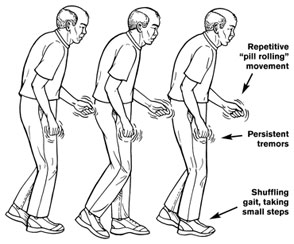
 Now, its very unlikely for a person suffering with the disease to have many of these symptoms, but they may/will have some of them. Parkinson’s disease is usually found in middle age and elderly people. With Parkinson’s disease there are three main symptoms. These are Uncontrollable shaking, which usually starts in the hand or arm, the likelihood of this happening is when the limb is at rest.
Secondly, another symptom is called Bradykinesia Which is the slowness of movement which makes physical movements slower, making everyday tasks more difficult than usual. The final main sign of the disease is Muscle Stiffness and tension in the muscles. Making it harder to move around and also make facial expressions. This can lead to cramps that are quite painful.
As mentioned before, these symptoms will all differ in severity. There are other symptoms as well as these ones which you can read online if you’re concerned about your health or the health of a loved one.
Roughly 127,000 people in the UK have been diagnosed which is most commonly found in people over 50 but people who are younger can get it too!
A quite recent story about an actor called Michael J Fox Who starred in a popular movie called Back to the Future as Marty Mcfly in 1985 who also has Parkinson’s disease tried on the first pair of “self lacing shoes”. He was diagnosed at the age of just 29 and has been living with it since. The scientific side of Parkinson’s Disease.
Many tradesmen man women suffer the disease in a way that have implications on their work. Locksmiths with their intricate work is an example. Lockpicking requires the fine motorics to be intact. If there are issues with the nervous system there will be difficulty in operating the lock picks and unlock the doors for the customers. To work in preventative ways. To secure yourself, like you would secure a home through prevention with burglar alarms. You want to train your brain and give yourself the best chance possible. If you are in the tradesman or woman industry, where you need your mind, and your hands. It’s especially important.
You cannot align a door to bring maximum security if you suffer the illness. You cannot care for your customer as a locksmith or a lock professional if you are not aware of your condition. And you cannot work in a secure way for the future if you are not aware. Richard from Clapham locksmiths also suffered from the illness which prevented him from working as a plumber Bristol expert tin his lock and key empire which he handed to his son.
Keeping yourself safe and secure for the future is the most important thing. Without your health nothing else matters. And without a future and past, just like with a home. You cannot be happy without feeling safe and secure whilst residing there. Locks and keys may be the business that keeps a locksmith’s livelihood. But the key to success is safety and preparation. Practice the mind and the hands to keep your brain health at its peak. And speak to our wonderful sponsors over at clapham locksmiths to ensure that your every lock and key needs is met. Keep yourself secure with security specialists. So that your mind can be spent on yourself and what you love the most.
The reason people develop this disease is because they haven’t got enough of a chemical called dopamine, this is because certain nerve cells in their brain have died. It’s yet to be proven why these cells actually die. Dopamine functions as a neurotransmitter which is a chemical substance that will transmit an impulse from one nerve to either nerve, organ, muscle or different tissue. It basically acts as a messenger for the body. Dopamine is also connected with another brain disorder called schizophrenia and ADHD.
Other than helping with the nervous system it is also used in blood vessels, the kidneys, the pancreas, the digestive system and the immune system. Dopamine is created by brain cells called neurons, in the human brain.
Caring for your safety is caring for all areas of your security. In the analogy of your home security this would mean not only taking care of your home, installing relevant alarm systems and other features to keep your home safe and secure. The right types of locks and latches are needed not only for your house. But also for your garage locks, your garden security and your outdoor structures.
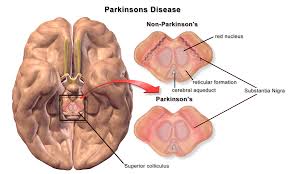
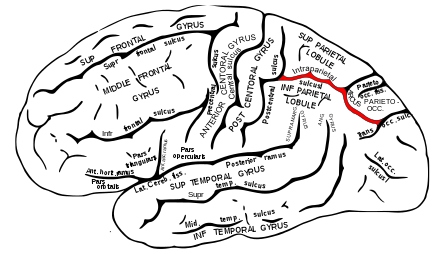
Thanks to plumbers Bristol supporting the site from their locksmith business. These types of neurons that create dopamine are more concentrated in a certain part of the brain called the substantia nigra. Which is located roughly in the middle of the brain. The substantia nigra is the part of the brain that plays a role in movement, addiction and reward.
The same goes for when you are working in a preventative ways against Parkinson’s disease. You cannot give attention only to the symptom which may be seen as the outdated fixings and rusted screws on your locking mechanisms outside. But have to take care of the cuse. And that is security awareness. Keeping continuously attuned to your security, working in a security conscious way to keep your features up to date. To keep your locks in prime condition. To oil the joints and to train the brain in areas of wide perception. To ensure security at home is to provide yourself with the best possible outlook. Just as working now to keep your mind active and strong. Will help you stay away from the hard wearing symptoms of this disease. Secure yourself and prepare through reading, writing, doing maths problems and staying away from the TV. Resisting that urge to be passive. Proactivity in home security and security awareness is the same as pro activity in working against progressive age related diseases.
It is the cells in this area of the brain that die which cause a lack of dopamine, which is also why one of the main symptoms is based on movement, stiffness. And why one of the other symptoms is depressions, due to not being able to feel rewarded. Thanks to Locksmith Bristol Ways to reduce the risk of getting the disease. Due to the cause of Parkinson’s disease being unknown, prevention to the disease will continue to remain a mystery. However, some research has shown that caffeine (found in tea, coke, coffee), Green Tea and Aerobic exercise has been shown to help prevent Parkinson’s disease.
Surprisingly, smoking is also found to help prevent Parkinson’s disease however its not recommended due to the amount of other health issues associated with smoking. Going into detail about the symptoms of Parkinson’s disease. As described before, the severeness of Parkinson’s will differ from person to person and doesn’t come in an exact order, they wont get every single one of these symptoms but they may/will get a few of these. Balance issues this is a more serious symptom because they are more likely to have a fall and injure themselves. Nerve pain this can differ from a burning sensation, coldness or numbness. Problems with urination this means having to get up frequently to go to the bathroom or involuntary urination (unintentionally passing urine). Dizziness Blurred Vision or fainting when either moving from a sitting down or lying down position to a standing position. This is caused by a drop in blood pressure.
With Parkinson’s disease there are a few mental symptoms as well as the physical. Here is a small list of some of the symptoms: Depression and Anxiety, having problems sleeping, memory issues and having trouble with something that requires planning. Another mental issue that may arise is Dementia, which is a symptom that is involved with an ongoing decline of the brains abilities slowing down thinking speed and affecting memory, understanding and judgment.
The aging population and the arriving PD issues
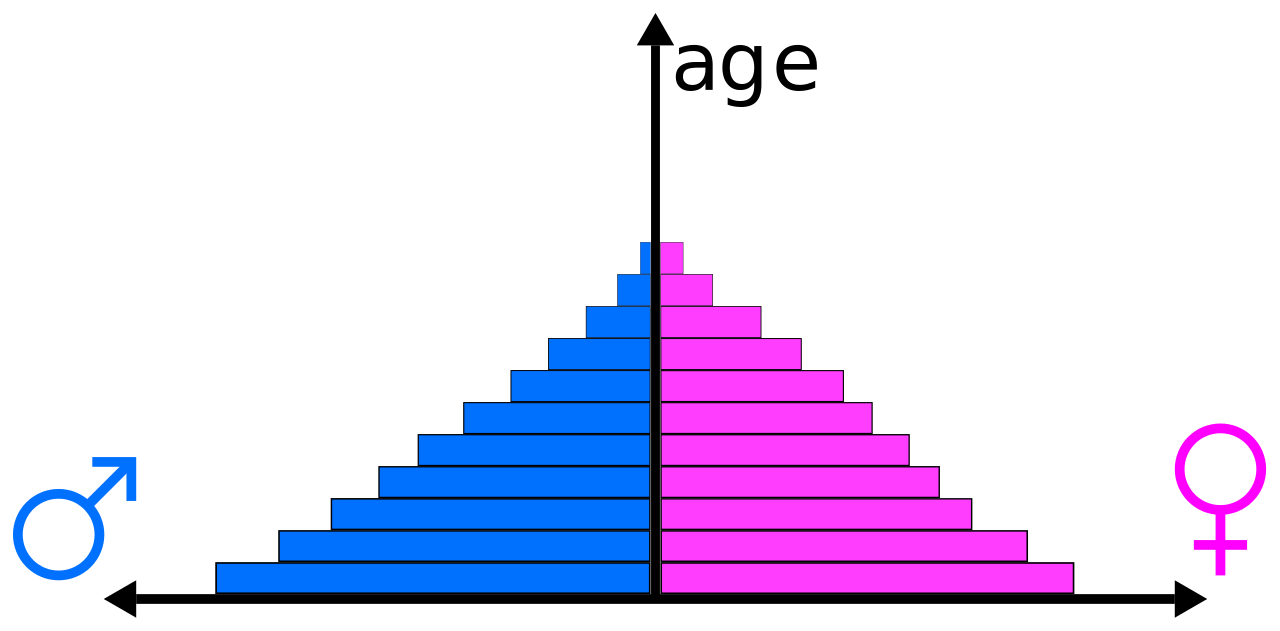 With the rise of modern medicine we have come to a point where we simply live longer, and that means that as our bodies age, but are kept alive though what we know about it, our minds cannot keep up and issues like dementia and PD are likely to become much like an epidemic. Those with funds will have access to high level care and will be able to find treatment which can help their condition, but in so far today, there is no cure, not even for those who are financially indifferent in the situation. There needs to now be some very vital questions raised, uncomfortable ones, and no one really wants to discuss them, but things like choice of how one exits the world and laws with regards to suicide and assisted suicide. These are questions which needs to be brought up whilst the patient in question still has a mind and a choice in the matter, and the power in what will happen should really lie with the individual in question.
The other thing that needs to happen is that we start preparing for the future now, don’t let something like this hit us as a surprise when we have known for long that it is coming. Research in the area today needs to be pushed, and those who can spare a charitable amount for also their own benefit when they are getting of age, will be greatly rewarded with priority spots to expensive treatment trials and so on, so ensure that you are on that list now before it’s too late. You don’t want to end up without a choice, without a mind and living life to the lowest of dignity standards imaginable.
How to reduce the risk?
 Like many diseases, there are some risk factors associated with Parkinson’s which simply can’t be prevented, for example being over the age of 65 or male. However, it is complicated and there are a number of factors which you can control which many experts believe can successfully reduce your chances of developing the disease. This can either by taking in more of certain things or reducing consumption of others.
There appears to be growing evidence now that a moderate intake of coffee can help prevent the risk of Parkinson’s. What’s more, coffee supposedly has other health benefits, such as reducing the likelihood of diabetes, liver damage and Alzheimer’s. So not only can you benefit from a nice energy boost in the morning from our favourite source of human fuel, but there’s also health benefits. Surely that’s a win win? Then there’s also evidence to suggest that boosting your intake of Vitamin D can help reduce your chances of developing Parkinson’s. Who’d have thought it? Spending more time in the sun can actually be good for you! Not only can you top up with a healthy-looking tan, but so long as you look after your skin with adequate protection, you can also give yourself long-term health benefits.
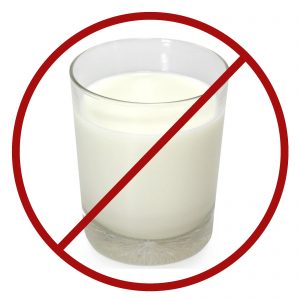
Then there are also the things you should probably seek to avoid. Giving up something that you enjoy and is food in most foodstuffs can be difficult, but there seems to be evidence linking dairy with increasing the risk of Parkinson’s. It’s not clear whether it’s the milk itself which contains the problem or whether it’s in fact a contaminant to blame, but what we do know is that recent studies do suggest a link. You should also try to ensure you purchase organic food. Food treated with pesticides have been known to have proven links to increasing the risks. Why run the risk? Make sure you wash all produce thoroughly and buy from reputable supermarkets where possible.
Keep supplements in mind
 Something often recurring in conversation these days is the mention of a healthy diet in combination with great exercise to battle all types of different diseases. Not much of it is covered by the media, as there is a whole pharmaceutical industry and a whole food industry which is worth billions which it would simply would not benefit should people start eating more healthy. But the team here has no investment in this, and are only invested in informing people of the right way to ensure that they can find the life they seek, one preferably without the onset of hard to live with neurological disorders which will change your quality and habits of life.
You may have heard about vitamin B12 and omega fats, and these are some of the best nutrients out there today, which can help you retain a great mental state for the rest of your life and run less risk of deterioration. If the reason to why you choose unhealthy options for your day to day life are financial, there are many good options available, if you can’t afford to eat fresh good quality fish (many are not too pleased with the tinned, unethical and frankly disgusting versions) for instance or buy fortified or unprocessed at three times the price of the very low quality things, you can always get a cheap bottle of vitamin additions, and when you do ensure that the letter B is on the bottle or jar.
A small investment of about a tenner a month will have your vitamin supplements sorted and your nutrition improved as well as your risk for PD reduced. It’s no doubt that good health is synonymous with money, which is synonymous with time, and if you have all of the above, then you are fortunate, but the team here understands that the vast majority of people don’t have much of any of these, and supplements is a good alternative.
Projected medical issues in the future
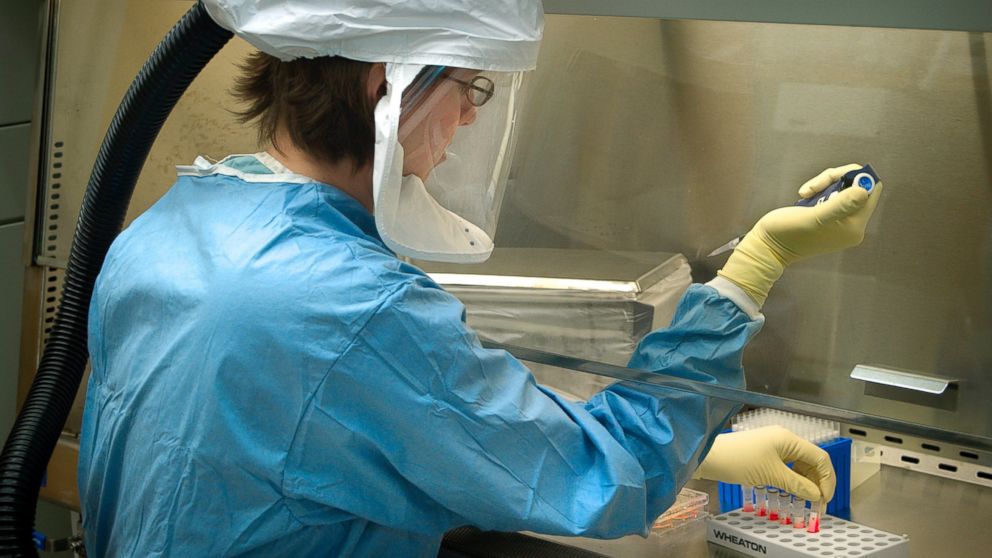 In our society we now live longer if you compare to a hundred years ago, even compared to 50 years ago. Modern medicine have taken us a long way, but it’s not without issues. There are new strains of diseases, implications to the human genome though the mass distribution of antibiotics and so on. The risks we face are many, and one of the major risks that come to mind for us here is of course the issues we are already facing with regards to dementia and an aging population who are not only unable to work, but are in need of medical attention and who are suffering illnesses like Parkinson’s disease. With the illness being so widespread, and many many cases unreported it’s hard to make an estimation of how much of an impact this issue will have to the future of modern medicine, but work in the area is being pushed forward, mostly by those who are affected, as with anything.
It’s common for someone to regularly avoid the charity buckets on the street, knowing they pay mostly the person wage the persons boss’s wage, the running of the business and a very small amount of what you give actually goes to a good cause, but things no doubt change when the illness hits the individual. Many bucket dodgers become avid advocates of research as their own diagnosis is given. It doesn’t matter who you are, or what you are doing, you should always give to charity, regardless, it’s good for you, it also helps your own character develop, as you will seem less of a hypocrite when you genuinely convert into a charitable person from having been the opposite.
What is CBD Oil and can it help with PD
A recent study by scientists at The University of Louisville School of Medicine have discovered what they describe to be a new molecular target of CBD when used. They also claim due to the nature of the molecular target that this piece of research could be groundbreaking as we unpack the wonders that Cannabidiol research has for us. The claim is that this new study provides evidence that CBD oil could have a massively positive therapeutic affect on someone with PD.
The evidence comes from the way the disease effects peoples motor control systems and how CBDs natural neuroprotectant, anti-oxidant and anti-inflammatory properties could provide a great deal of relief to a patient suffering from PD. Studies into this medicine, especially in the UK are few and far between because of the legalities behind the cannabis plant from which CBD is harvested. However when looking at research from Countries and States where marijuana is legal there seems to be a growing trend of a more positive look towards cannabis and it’s medical use as a pose to the older views on recreational drug use.
There are always lots of petitions going around all the time in the UK calling on the government to ease it’s laws on researching the medical side of the plant, with fingers pointed to certain states in america where the medicine has actually created a lot of business and profit, while also having a great impact on patient all across the legal or medicinal states.
So in the mean time what can PD sufferers do to reduce the effects of the symptoms? Eating healthy and avoiding too much protein in your diet as well as regular exercise are just a few ways people can alter their lifestyle in order to combat PD and it’s symptons.
Brain exercise for your mental health, as important as physical exercise for physical health
 More than a few recent studies have shown the many great benefits of doing some so called mind gymnastics, to ensure that the neuron links keep supple and well oiled. The way to keep any machinery, if we use that analogy, well maintained and oiled and in perfect condition involves two things.
The first one of course being taking good care of it, and the second thing is to run it at good capacity. This of course doesn’t mean overuse or run it into the ground and tire yourself out, but it also doesn’t mean run lightly. Presenting yourself with some challenging tasks for your mind is good for your mental capacity in either case, and it has vast benefits in battling diseases in relation to ageing. On top of that, there are many very enjoyable ways to ensure that you get the mind exercise that you need, a couple of examples being the playing of a musical instrument, the learning of a language, to solving of cross word puzzles and so on.
These little tasks works wonders for the old noodle, and often, as with physical exercise, outperforms any chemical and administered replacement pill. There are few things like the real thing, and that is true for physical exercise, just as it is for the mind. And as with physical activity, it needs a little bit of starting energy, and that is another thing which also goes for the mind. Once you’ve been with a task for a little while you will get into the flow of it and be able to do it faster and more smoothly, practice it and get into the habit of using your mind in a more laborious way than you are used to, it’s great for you.
Fumes and chemicals
The studies are scattered and not always scientifically valid, however what they all speak of is the direct risks which our increasingly chemical lives are faced with. The increased risk for age related deterioration of the mind and memory is just one part, another is the heightened risk for genetic mutation affecting offspring of those who are exposed. Many of those who are faced with the highest risks are not even aware of that fact, and if you live close to a highway, if you work with chemicals, or if you garden with pesticides, insecticides and so on, the risk is high and the outcome is not yet known.
The advance in modern medicine have helped us survive as a species, but many argue that perhaps it’s an approach that need to be taken with the consideration of consequences. Modern medicine is by some thought to deal with mainly the symptoms of the disease, the real issue, which is in desperate need of more attention. Work in tackling the causes rather than on curing the effects in a compelling argument that also many of us are willing to see important. We are part of the present and aging population, and we will soon be the ones affected by what is happening in modern medicine today, this means that we should take an active part in what is going on, and one of the major issues, in the present and projected for the coming decades is the aging population. If you have a spare penny, make sure that you give it to something that will benefit humanity, give to the charities which care for you and your well being, start as soon as now.
Are you suspecting that someone you know have Parkinson’s disease
If you think that someone in your family is showing signs of this very common illness, there are only good reasons to ensure that the person is aware, and get themselves checked out. The reason we bring this up, is simply as often, the person afflicted is the last one to notice. The disease is often a gradual onset, and a slow one at that. Making it difficult to detect for oneself. In most cases there is no need for emergency treatment with Parkinson’s disease, so booking in for an appointment with a doctor is sufficient. The common symptoms for the illness are shakes in the hands, a lowered ability in motor functions and often a change in the fine motoric of the person. If the person you know have changed tone in voice, or their style in handwriting, often to smaller writing, it’s a tell tale sign of the disease.
What is good to keep in mind is also what to think about before the time of the appointment with the doctor comes is to write down any other changes that you might have noticed. And if there are any questions in your mind, it’s always good to have these on paper so that nothing important is left out. There is no reason for direct panic should a diagnosis of Parkinson’s disease become reality, there are many treatment methods out there, and although there may be changes of life and lifestyle to be implemented. You can be rest assured that many live long and active lives even with the illness. On top of that there is much support to be found out there, both for those suffering from the illness and for their loved ones, as well as for the ones who are caregivers.
The issue of the ageing population
 The issues in relation to Parkinson’s disease are just beginning, and forecasts show a large increase in the number of people who will be affected by this illness during the coming years. In many countries a large part of the population are of pension age, or are going there soon. And with living longer due to the great advances of modern medicine and a rise in welfare there will soon be a large number of people suffering due to PD. This is an issue which needs to be brought into awareness as soon as possible, and with emphasis on those who will be affected, advances in this particular area of medicine is vital. If you can, now is the time to open your wallet and donate to the many institutions who are working on the problem as you too are at risk. This is a logically nearing problem which cannot be avoided, only foreseen and prepared for, and we hope that you hear our call to also brace and prepare for the future. It’s a common saying that these days we grow older than we are meant to, as our minds can no longer keep sane though the long years of life we are granted, let’s instead look to how we can resolve this issue, and see how we can live for a hundred years in a good way and without our minds intact and fully functional.
A widely spread disease in direct need of research
 There are many illnesses and diseases which take precedence in the race for medical studies, and one of the most salient among them is of course this widespread illness, which seemingly strikes in all ranges regardless of genetics, wealth or background. With a continuously ageing population and a prolonged life relative less than a century ago, we can anticipate issues on a large scale in conjunction with the advance of medicine.
As some put it, our bodies are outliving our minds, and with age as our body decays so does our neural functions and the mental capacity and facility we have available to us in day to day life. For many of the team here, as we are sure is the case for many of you out there, a life worth living is important, and many of us would choose a quick exit rather than the slow degrading slide which Parkinson, Alzheimer’s and other issues projects for our future.
But we take many deep breaths in, and ready yourself for the fight, we will never go down without a fight, and this means also fighting for the faculties of our mind. If you feel like we do, then we suggest that you, as we do, support the research in these areas. If you have disposable income why not dedicate some of it towards the resolution of an issue you may well personally face at some point, either yourself or through someone you know and hold dear. And remember, with these things it’s all about promoting good behaviour, and many small streams may accumulate the delta needed to hit this and many other known and predicted issues to come.
Crossworlds, books, maths and mental labour
 The most important thing to combat the upcoming issue of a decaying mind is to keep it active, like with the body, the mind is a muscle, and when not cared for it will shrivel and become poorly. Just as a sedentary life with nothing but Mcdonald’s will bring you to your grave sooner, an inactive mind and a non existent intellectual life will leave your mind to die sooner as well. It is no secret that the currently our lives are in a format which is detrimental to health and longevity, with little hope or value the regular person must work the majority of their life in a job they hate, and for the rest of the time they spend their time escaping thought, forgetting the depressed state they are in though being told what to think rather than to do the arduous work themselves.
TV is not to blame for the decay, but it can certainly helped if consumed in copious quantities, as you are a passive observer, no work is needed, no activity, only a passive looking, no deeper thought is required, although there may be a times be a few. What we the prescribe as the antidote is to do the work, to do the reading, to do the cross words, to learn something new, to do math problems, to solve riddles and so on. This is the way to keep your mind healthy and active, and if you can couple this with exercise and a career that is fun enough for you to endure it rather than choosing not to by the quick way out. If you are a hard worker, you will be able to keep your mind and your life a little longer, you will be able to keep being a hard worker for a little bit longer before the end comes.
Music, memory and Parkinson’s
 Many of musicians and music lovers of the past have spoken of the great healing effects that music has for the mind and for the soul. At the time often laughed and ridiculed for their claims they have in recent years been proven more right than ever before imagined. Though many recent studies of neuroscience and psychology, music has been proven linked to both memory, happiness and connectivity in the brain. With music and the mind becoming a scientifically recognised area of investigation a whole cacophony of discoveries have been made. In the specific instance of the illness this website is dedicated to studies have shown how patients with severe symptoms have reacted greatly to music.
It’s clear that music and memory is clearly linked, as for a reaction to be noted in a particular patient they must know the music from their own life. A way which you can test yourself the link between memory and music is simply to start singing a song which you loved, but haven’t given any thought lately, with a few repetitions you will be able to recall most, or all of the song, in the right pitch, in the right time and even with fine details encoded in memory of that specific version of the song that you listened to often.
If you try to do this with any other type of memory you will no doubt find it much more challenging. The area of research in music and the mind is still new, and still require support from around the globe as other research in the medical world tend to be at the forefront and gain advantages with regards to funding and so on. But with the recent discoveries, we can make sure that research is done in the right areas by supporting it, something which starts at the point of becoming aware of it.
Stay clear of chemicals
 For the team here one of the most important things to keep in mind if you want to avoid being one of the many who will discover they have PD at some point in their lives. Simple and clean is the way we would like to keep it, and so should you. Stay clear of chemicals to battle biological things, pesticides and herbicides are chemical factors which been proven to lead to neuro-chemical changes. And if you feel that you must use them even against precautions, make sure that you stay as safe as possible in using them, avoid exposure to skin and inhalation.
Everything that makes up our brain chemistry, is everything that makes up us, a person, a mind a set of ideals, and when it comes to substances which alters it, there can be dire consequences. And although in some cases there is great benefit, either financial, or personal in using something chemical, the best way is to go natural, and ensure that your health stays tip top. The only thing which out trumps money in the current economy is of course health. To put it bluntly, what good is money without health, even though in many cases they are one and the same. Those with good finances can generally buy good health, but there is no point in making a saving by using chemicals to resolve an issue as opposed to just doing the work. Keep your health, keep the weed picking tool, remove the chemicals.
If you are suspecting that anyone you know is infected with the disease, be sure to seek a doctor’s advice as soon as possible, and if you have any questions for the team here feel free to get in touch at any time.
A growing problem
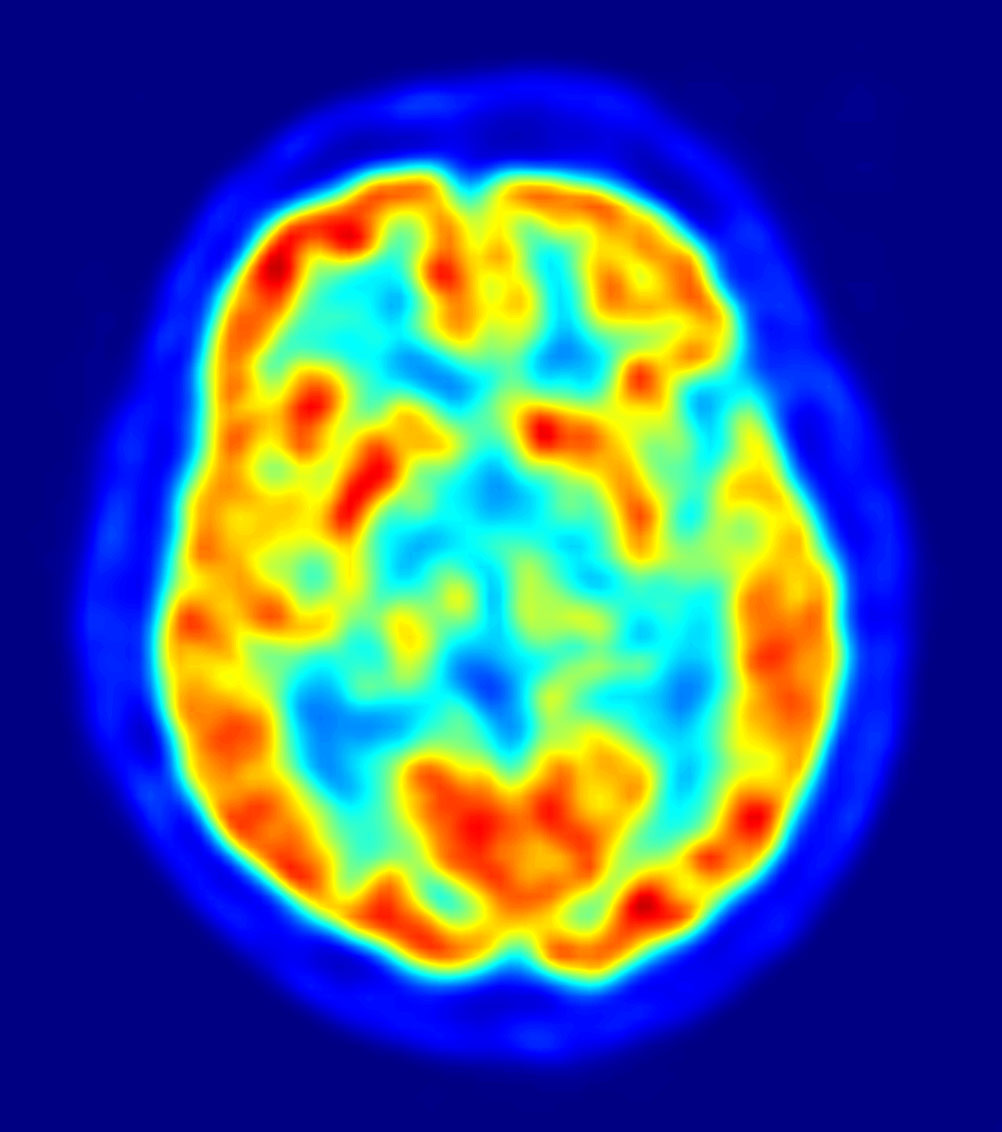 The issue of this illness is already an expanding one in many developed countries around the globe, there are many thousands of new cases discovered every year, and it’s fairly safe to assume that there is a large dark number of cases which are never reported nor treated. Part of the cause of this issue is the development of modern medicine, where not only are we better at preventing death from the symptoms of the illness, but we are also living longer.
There scale of the current predictions of the disease are frightening to say the least, as much of the population across the globe is growing older. This is an issue which has been getting much attention lately, as it is one which affect so many, and will affect so many more very shortly. Perhaps also you, so ensure that you are informed to what is going on, and kept up to date with the latest. You can do so by staying in tuned here, as well as searching for other resources online, of which there are many. If you would like to ask the team here, we are not doctors or experts, but here to assist in any way we can. If you have suggestions on something that you see missing on our page, please do let us know of your suggestions, we welcome any feedback from our beloved readers.
Attention to music and the mind
 Lately many eyes have been turned through neurochemistry, and funnily enough, music. This mystery of human culture is something that still baffles us today, just as what we are learning with modern technology in the region of the brain, both in the experience of it and in the physics of it. Past centuries research on music and the mind has not been deeply explored, but perhaps you’ve heard the great discoveries of the connections between music and the well being of a person are heavily connected for many. Music is natural to people, just as language, and the way that we perceive it is something that we learn through the exposure of it we have as children. There is much research in the present going on with regards to the activity of the brain when it hears music.
With our ears, well can’t turn them off, and although remembering is something that we do, recently we’ve discovered that what we do more than pull things from long term memory, is simply recognise what we have encountered before, of course it helps if that encounter was significant to the person in some way. However, this change in understanding of how the brain works has lead to breakthroughs and acceptance in many scientific fields of this highly important study. The music and the mind are no doubt heavily connected, as heavily as language, sound and human culture is connected, so the team here can’t help but to look forward to the great things which are yet to come with music and mental health. Both in the fields of prevention of devastating diseases such as PD and Alzheimer’s, but also in the field of human development as a whole and human culture.
Caring for someone
If you are a carer of someone you will notice as time progresses it will get increasingly more difficult for the patient to do every day tasks, this means he will rely on you more and more as time goes on, the main thing to do is to try and let them be independent and give them time to do their own tasks.
It’s important to keep those afflicted safe and secure. The key is to prepare and put into place a suited layout. Where sufficient space and leverage is made so that the person feels without risk of hitting hard edges should there be a fall. Equipping doors with additional rails and bars to ensure easy use is part of the solution. As is adding easy to use locks which fulfill security standards. Speak to the professional, caring and understanding who support the cause to find the door and lock installations you need.
Thanks to Parkinson’s sponsor . When someone is diagnosed it can be especially hard on the emotional side, so you will be there for support and be able to let them rely on you. Another main issue with people having with caring for someone is keeping on top of the medication, this can be a daunting task because you need to take the medication in exactly the right amount at specific times of the day, if you don’t feel comfortable with this contact a GP or a pharmacist who can help guide you through the correct measures and anything else that may be bothering you.
Direct your questions to us on making a safe and secure environment for your loved ones who is a sufferer of the disease. And direct your home or business security and lock questions to our sponsors. Specialist locks and keys are available. Ergonomic use and adapted products are part of what is in stock. And something you can call a lock and key expert about straight away.
Caring can be both a trial and a reward. Ensuring a good space is kept help both you as the carer as well as the patient in question. Without the right soft and secure surfaces ready. There is larger risk for damage. Part of what the work is for, is to help the patient feel safe, and encourage movement and independence where possible. Emergency alarm signalling equipment should be installed around the home so that the patient can easily call for assistance should it be required. Again, a security feature which can help the resident feel safe in their day to day.
Tell-Tale signs
It’s always good to know the early tell-tale signs. Simple due to the fact that should you or someone you know have this illness, the earlier you notice the better the treatment options. It ia a chronic and progressive illness, which is known for the typical symptoms tremors, diminishing motor functions which can often be seen in an effected persons staggered walk and difficulty with balance. Other symptoms also related in its later stages are dementia and depression. The last mentioned is also often found in patients long before they are diagnosed.

Symptoms to look out for if you are in suspicion that you, or someone that is close to you has this illness are tremors, shaking of the hands, arms or legs. This shaking can be isolated to one side of the body or display on both sides. Worsening balance and difficulty walking, Patients often have a staggered walk and a hunched over posture. If there is changes in a person’s tone of voice or handwriting this is also an indication of change in motor functions.
If you notice one or more of the above mentioned symptom in yourself or someone you know, please ensure that you get in touch with your doctor as soon as possible. Lastly what is also worth including in this information is that although it is a serious and we do not know the exact cause, nor do we have a cure for it, it’s still something that many live with without major change or disruption to their quality of life. There are of course milder and more severe cases of the illness, however if you catch it early, the chances are better that a treatment which is optimal for the individual in question is found.
The need for highly individual treatment plans for Parkinson’s disease patients
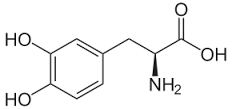 When it comes to treatment methods, the most common and widely used it’s a drug treatment. However with Parkinson’s Disease, due to the highly individualist characteristics, progression and reaction to drugs every treatment has a high level of need for individualisation to the patient in question. And due to the nature of the disease, and how it effects the patients and the patients body and life, it’s important to understand that the treatment is not only a pill to cure an illness, but also a change in way of life to ensure that the best can be made of the situation. With physical therapy, counselling, support group networks and medicine the life of those diagnosed today can be managed in a good way. Thanks to January sponsor. This means that the well being of the person in question can often be found and retained, however as a work in progress. And like any treatment it doesn’t work without the full backing, cooperation and involvement of the patient and the carers involved.
Due to the mental effects of the disease and the drug treatments it’s important to ensure that work takes place to keep the mind in good health. Other treatment options, which are not as widely available at the time are brain surgery of different kinds and a row of different clinical trials, and of course other alternative treatment methods. Although there is usually no discouragement to make use of alternative treatment methods, it’s important that they are in line with the clinical ones, and although the mind has the greatest impact on the body, medical science is certainly something not to be ignored.
Research and invisible symptoms
 There is no need to stress the importance of medical research on the topic any further, we assume that you are here as you in some way have been in contact with this disease. Be it through relation, though family or friends. When first finding out about having the disease there are always large changes to be had for the person in question, and if you are one in a situation as such. Please do seek advice from the many support groups available both on-line and whom your doctor will be able to refer and put you in touch with.
Today we would like to take a closer look at the research side, as there is much going on. Specific projects looking at causes and potential cures as well as the investigation of how to detect the disease in younger people. This simply as there are many cases where someone have been living with the disease for many years, without the stereotypical symptoms of shakes and difficulty with balance, as these are symptoms which can take a long time to show. During these many years of undiagnosed suffering the person at hand may have had many issues with depression, mood related problems and much more which may have been brushed off as someone being overly dramatic or overly sensitive to the world.
What remains is the fact that these individuals are often faced with much struggle without an apparent cause, and are both told and made to believe that they should just get on with it and stop feeling the way they do. But of course it’s not as easy as that. You know yourself in times of stress and sleeplessness how difficult the smallest of issues may feel, now imagine that as a persisting and long term state to be in. So ensure that you get involved with the research to find assistance for the many who suffer today.
The bigger picture
 A natural part of the human condition is to want to be a part of something, and it’s no secret that taking a bigger image, or taking action which bring about a larger perspective is something which is enriching and expanding in many ways for anyone.
The reason to us bringing up such a thing today, is that in situations where there is something difficult to deal with the support around us become highly important.
Not only in order to handle the physical difficulties and suffering that comes with a diagnosis of yourself or someone you know. But also in the dealing with and getting used to the changes which has to occur. For most patients, if not all, the combination of both physical treatment and therapy to deal with the illness is the most effective, and from the internal perspective then it’s often also useful for the patient to see more clearly a larger image. Feeling as if they are part of something bigger something which extends beyond our physical existence and our thoughts. This way of seeing often removes some of the importance that we place on our own existence.
There are close to eight billion people on the planet today, many of which do not have the luxury of care for disease, it may be difficult, however seeing oneself lucky and counting one’s blessings, holding hope and bringing into the fame of thought the larger image may be of great benefit both to physical and mental wellbeing. This not only true for the patient, but anyone else who may be deeply involved with the situation.
So keeping strong, and keeping a whole in mind will perhaps also help you if you are currently struggling in dealing with this intrusive disease. There are many support groups and charities out there with whom you will find support and help with all you need to deal with things in the best possible way.
In search of a cause
 If there is one thing that can be said about this particular disease is that much of the why, how and when are under an opaque veil currently. Because symptoms often display at a late stage of progression in both life and of the disease, it’s hard to tell where it comes from or why any one particular person becomes affected. There is little to support it being hereditary, and there are few factors that are common between those who have been diagnosed. There are of course some things currently known, such as high exposure to toxic environments heightens risk, for example the stay in environments with pesticides and herbicides, additionally what is also known are that there are a few things which help prevent the illness, or at least the progression and the symptoms. These are things such as exercise both on the mental plane and in the physical realm. The low levels of dopamine production, a brain hormone which is involved with the brains rewards centre is involved when it comes to the disease, and doctors often prescribe both physical and mental exercises to slow the disease down.
Here of course the team is in support of the search for a cause, and hopefully some day a cure, and hope that you share this ambition. If you do there are many organisations which support the research on the subject, and the chances and opportunities to get involved are out there. If you would like to know more about this topic, please feel free to have a look around on the website here, make use of search engines online, and if there are any direct questions of feedback that you would like to share with us please don’t hesitate to get in touch.
Classification
 Parkinson’s Disease is a type of Parkinsonism, which is a name used for a group of disorders which will have the same or very similar symptoms manifesting. The vast majority of Parkinsonism is that what we see and commonly refer to as Parkinson’s disease. A small portion of patients get diagnosed with Parkinson’s plus syndrome, or PPS for short, which is a more severe type. Other than the shakiness there may also be symptoms of twitching and jerking of the hands, and other symptoms include progressive dementia and at times hallucinations and inability to move.
In sever cases there can also be changes in personality changes and a difficulty to focus the eyes for the patient. As stated often, if you are suspecting that you or someone that you know are affected by this malady, please ensure that you contact your doctor at your next convenience.
You will most likely not need urgent treatment as it is a low progressing disease, and often it’s not the actual disease that causes reduced longevity but the combination of symptoms. Each case is different and has a different level of severity, the most important thing is that the right treatment is found and started as soon as possible. Although there is no cure for the disease today there are great advancements in drug and surgery treatments, and with the right steps taken and the right help found a long and wholesome and valuable life most likely awaits despite a diagnosis.
However, if you think you or someone you know is affected, also keep in mind that there are a long row of medical conditions which cause similar symptoms, and there is no reason to worry until you have ensured that you have seen your doctor.
Life expectancy
 One of the harder questions no doubt faced should a diagnosis of this illness be had, is that difficult question which haunts most people at some point in their life regardless. The question of death is one that comes with life, and when one is given the results from a doctor it is more present than in most scenarios. This illness is one where both the symptoms and the progression of the illness are highly individual to the patient in question. It is not the actual disease which is fatal, but related symptoms is what can be the cause of a shorter lifespan. Accurate general predictions are difficult also due to the other variable factors involved, such as age, gender, how severe the condition is and so forth. Patients who are female tend to live longer, they are also at lower risk of diagnosis over all, and of course mild forms are easier to control and handle.
One of the high risk’s to take into account should you know someone who has been diagnosed, and something which is much more common than believed, is the risk of falls. These can be fatal, and with a much higher risk of losing balance for a person with diminished motor functionality it’s not a risk to be taken lightly.
In current times of course research is being conducted in a multitude of ways, and with advancement the treatments are getting better, what is still sadly a factor is the access to treatment. Although this is a point which is also improving, persons who can afford private care will still also have a better chance at a longer life than others.
Worried that you might have PD?
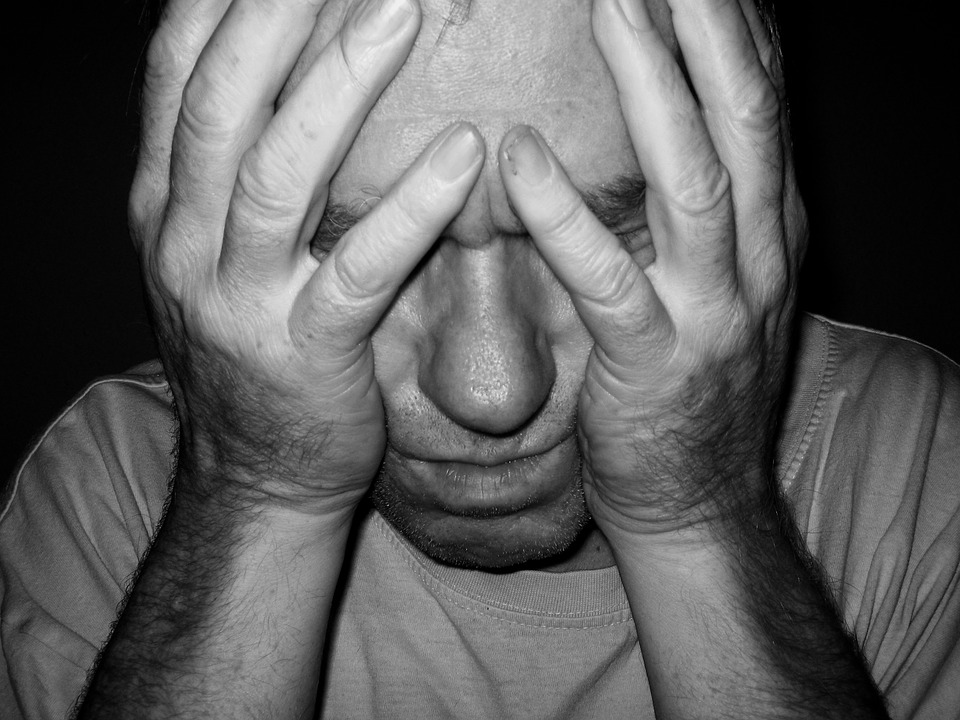 A question which occurs commonly, especially for those who are going into their senior years are with relating to independence and illness, it’s natural as with age we are getting closer and closer to that not often spoken about but inherently known something which can be defined as the end. A relatively large part of the elderly population, with several million cases around the globe succumb to this wide spread and well known disease.
Despite this, there are still no set causes determined, and no cure as of yet. Although that not saying that the medical research in the area is not rocketing forward. If you are worried about your own mental and physical health and think that you might be displaying some of the most common symptoms for the illness. Shakiness, tremors, difficulty with balance, motor function, digestion and depression, then it’s important that you seek medical attention. A diagnosis is not the doom it once was, and although those who live with the illness have to make changes to their lives and their daily routine, many live until old age without suffering severe symptoms until very late in life.
Although a suspicion that you might have the disease is something which you must get checked up as soon as possible, sufferers of the disease most commonly are not in need of urgent medical attention, however the sooner the issue is know the sooner one can work with medication and learn about life with the illness and how to prepare to avoid issues like falls, and find the assistance needed should there be diminished motor function halting day to day activities and removing the independence of the patient. If you have any reason to suspect you have PD, please ensure that you get in touch with your doctor at your next available convenience and get checked up.
A spreading malady
 Although many aspects of this illness, including much of what causes it and what could permanently cure it are still under a vail of darkness. What is known however is just how widespread it is, and as it seems it is spreading further. This also is not something easily places, and one could argue that there is a relation to the higher life expectancy of the average person. However, no matter the cause, the statistical facts remain and more cases are reported every year. In the numbers one can also safely assume that there is a big dark number of persons afflicted by the illness that never reports it or gets diagnosed. For the team here the only good way to move forward is to be aware of what is going on, and if you can support the organisations and the research which support the ones struggling with the disease and those who’s are spends their passion and dedication on research to find a way to abolish this disease.
If you know someone who has been diagnosed you may be familiar with the difficulties around finding specific causes as well as the big changes in life which will happen for the ill person and the people in their surroundings. Providing charitable financial support is desperately needed, and if you can do so there are many ways in which to engage. Of course even if you are in a difficult financial situation yourself there are always other options to help, volunteering and helping with fundraising is always something greatly appreciated, perhaps most of all by the people who are receiving the help they need, at the most crucial time. Feel free to get in touch with any questions you have for the team here, and stay tuned.
Finding a new routine and a new way of life with Parkinson’s Disease
 Like with any major change in your life, getting diagnosed with Parkinson’s disease is not something easy to deal with. And as with all changes in life it’s not something which one can adapt to quickly. Patience, and letting go of comparison with the past is something which needs to be given attention. That which most persons who are living and coping well with Parkinson’s disease today pay testament to as one of the most important features to manage to cope with the new situation is to ensure that the support needed is there.
This includes of course finding support groups which are dealing with similar situations, and also remembering that there is no reason for you to deal with this situation alone. There is great strength in asking for help with coping, meaning that there should never be a barrier on this point. If you have been diagnosed with the illness, or if you have been appointed carer for a person with Parkinson’s disease, it’s important to know that you are not alone. The disease is widespread, and if you ask your doctor or search online you will find the help you need. It’s important not to let unhappiness build up under the surface due to the illness, dealing with change is always difficult, however it will be much easier to see clearer when speaking with those who have or are going through a similar situation.
If you have any questions, never be afraid to ask, it’s far better to ask too many questions than to few, and no matter how small or insignificant it may seem, by finding an answer or resolution with the problem, it will give great relief in any pressured situation.
Parkinson’s disease changes your life, but in no way ends it
If you know someone who has been diagnosed with the disease recently there are a few factors which can be good to be aware of, this especially if that someone is a person which is close to you. Finding out that someone close to you, which you care for and love is inflicted with Parkinson’s disease can indeed be a frightening ordeal, however it’s important to remember that in the current day there are many effective treatment options.
Not to forget about the mental symptoms of the disease
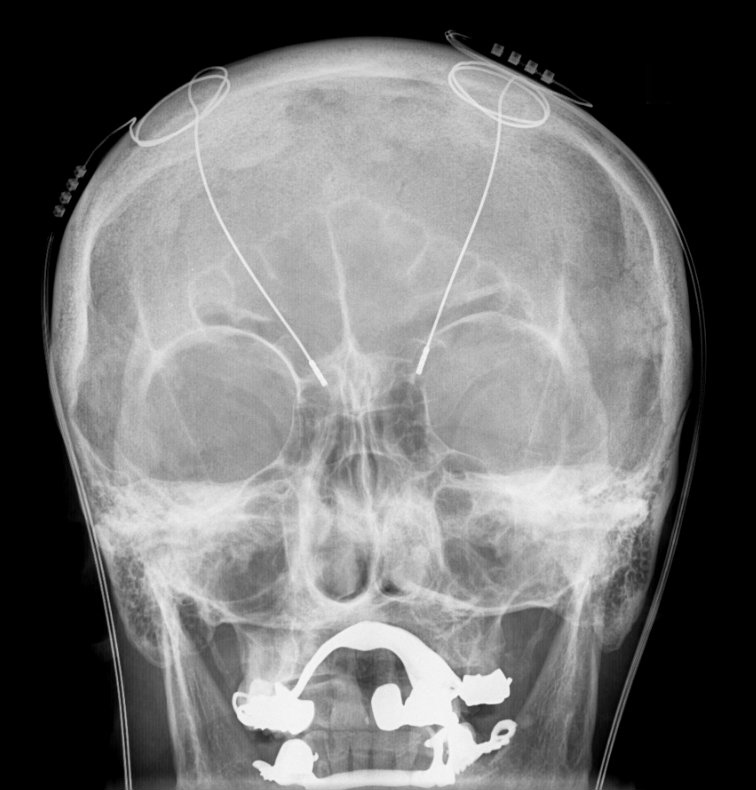 When thinking about it, it’s easy to forget that the disease is not something which only manifests in physical symptoms, there are also a whole row of issues that touch the mental sphere of things. Should you suspect that someone you know, or perhaps that you yourself are inflicted, considering these points may help your case, and perhaps nudge you into getting checked at your local doctors office.
The physical symptoms are commonly known, tremors, shakiness, balance issues and so forth are all part of what a patient may display. What happens inside the mind however is of a more vague nature, and hard for anyone but the patient to see and understand. One of the most common mental issues which is adjacent is that of mood issues, specifically depression and anxiety. Of course this is very difficult to detect both from the inside and from the outside, what may be noticed is that increased sleepiness during the day is often present. There may also be issues with recording things, as in ability in cognition may be diminished, and the cause is usually a range of different factors all together. With untreated illness and progression of the disease these symptoms can worsen, and what happens for some patients is a more severe form of dementia. This is far more likely if one does not also stick to the mental health scheme which is put together by the doctor. Some say that the mind is like a muscle, and without practice it will also degenerate just like the muscles in the body do.
Dealing with change
 There are many new cases of Parkinson’s every day in the western world alone, this not taking into account the large dark number of unreported and unrecorded cases. Making it a major concern for anyone living today. Like with cancer and other widespread illnesses, it is likely that you know someone or will know someone inflicted with the disease. If you are someone who has recently found out about your own conditions, it’s understandable that there are many changes which are occurring in your life. And change alone is something which is inevitably difficult to handle. The team here wishes to bring some encouraging words, which you hopefully find wise and helpful to your situation, regardless of your relation to the illness.
If your current life situation has changed, it’s important to remember that changes will always happen, and it comes in all varieties and forms. Life is not the predictable line we may have thought it is as our younger selves. Change is often unexpected, and with it comes a difficult challenge to adapt. It important to keep in mind that things take time to settle, in the body, in the mind, and with patience and perseverance faith must be held that new light will arrive.
Changes, especially of the difficult kind, are also a chance to grow. Gaining a different perspective, especially in very difficult circumstances, can breed new life, stronger and more flourishing than ever before. And lastly, one of the hardest things which is a must when it comes to such a topic, acceptance. Of life and life situation, only from here can things be seen objectively, neutrally and from the outside of a tunnel of suffering.
How you can minimise your own risk
 There are no known direct causes to this enigma of diseases. Research in mass is being carried forward, and with the diagnosis becoming more and more common so also the pressures to find better treatments and eventually a cure is also rising. If you wish to help in the diligent research of those who are working in the field you have many options of great charitable organisations which are both dedicated to the search for a cure, as well as for finding and giving opportunity to those who need support in their struggle to find it.
Today we would like to bring you a bit of information about good practices which have been deduced from what we know about the disease, even if there is no one cause, there are factors identified which can play a big role in the development of the disease.
Staying clear of toxins, chemicals, pesticides and so forth is the number one thing to do and ensuring that you keep a healthy diet is also essential. Plus it’s also something that will help your mental and physical health in a multitude of ways. Making sure that your iron intake is regulated is also a recommendation which goes around, too little iron may be bad news, but too much can have potentially devastating consequences. This same recommendation comes with magnesium, and ensuring that there is enough is important, but regulating to prevent there being too much is essential.